Wrocław
A practical guide to what to do in Wrocław
From the menu below choose a category
Discovering Wroclaw: A Gem of Central Europe
Nestled in the heart of Central Europe, Wrocław is a city that seamlessly blends historical grandeur with modern vibrancy. Known as the "Venice of the North" for its extensive network of canals and bridges, Wroclaw offers a rich tapestry of cultural experiences, architectural wonders, and charming urban landscapes. From its bustling Market Square to the tranquil streets of Ostrów Tumski, and the whimsical hunt for its famous dwarfs, this Polish gem invites visitors to uncover its many hidden treasures.
A City of Islands and Bridges
Wroclaw, often referred to as the "Venice of the North," is a city that enchants visitors with its intricate network of canals and over 100 bridges. These bridges, each with its unique charm and history, connect twelve islands, creating a picturesque and labyrinthine cityscape. Walking across these bridges, one can appreciate the blend of Gothic, Baroque, and modern architecture, offering breathtaking views at every turn.
The Market Square: A Vibrant Heartbeat
At the core of Wroclaw lies the Market Square, one of the largest in Europe, surrounded by colorful and ornately decorated buildings. The Gothic Old Town Hall, with its astronomical clock and intricate facade, stands proudly in the center, serving as a focal point for the city's lively events and gatherings. The square bustles with life, featuring cafes, restaurants, and street performers, making it a perfect spot for people-watching and soaking in the local atmosphere.
Ostrów Tumski: A Walk Through History
Ostrów Tumski, the oldest part of Wroclaw, is a serene and historical enclave. As you stroll through its cobbled streets, lined with gas lamps that are still lit by hand, you'll encounter the magnificent Wroclaw Cathedral. This Gothic masterpiece, with its twin spires reaching towards the sky, offers panoramic views of the city from its observation deck. The area exudes a timeless charm, providing a peaceful escape from the city's hustle and bustle.
The University of Wroclaw: A Legacy of Knowledge
Founded in 1702, the University of Wroclaw is not only an academic institution but also an architectural marvel. Its main building, adorned with Baroque sculptures and frescoes, houses the Aula Leopoldina, a grand ceremonial hall that leaves visitors in awe with its opulent decor. The Mathematical Tower offers another vantage point for stunning city views and a glimpse into the university's rich history.
Centennial Hall and Surrounding Gardens: A UNESCO Heritage Site
Wroclaw's Centennial Hall, a UNESCO World Heritage site, is a testament to early modernist architecture. Built in 1913, this impressive structure hosts concerts, exhibitions, and sporting events. Surrounding the hall is the Szczytnicki Park, home to the enchanting Japanese Garden. This meticulously maintained garden, with its koi ponds, pagodas, and seasonal flora, provides a tranquil retreat and a unique cultural experience.
Cultural Hub: The Four Temples District
Wroclaw proudly celebrates its multicultural heritage in the Four Temples District, where a synagogue, a Catholic church, an Orthodox church, and a Protestant church stand in close proximity. This area is a symbol of the city's historical coexistence of different faiths and cultures. The district also hosts numerous festivals, concerts, and art exhibitions, reflecting Wroclaw's vibrant cultural scene.
Wroclaw’s Dwarfs: A Whimsical Treasure Hunt
One of Wroclaw's most delightful attractions is its collection of dwarfs, or "krasnale." These small bronze statues, scattered throughout the city, each have their unique story and character. Originally a symbol of anti-communist resistance, the dwarfs have now become an endearing part of the city’s identity. Exploring Wroclaw while searching for these charming figures adds an element of playful adventure to your visit.The
Wroclaw Fountain: A Spectacle of Water and Light
Located near the Centennial Hall, the Wroclaw Fountain is the largest multimedia fountain in Poland. From spring to autumn, visitors can enjoy spectacular shows where water, light, and music combine to create mesmerizing displays. Each show is meticulously choreographed, offering a different theme and experience every time, making it a must-see attraction.
Gastronomic Delights: A Culinary Journey
Wroclaw's culinary scene is as diverse as its history. From traditional Polish dishes like pierogi and bigos to international cuisines, the city’s restaurants cater to all tastes. Local markets, such as Hala Targowa, offer fresh produce and regional specialties, allowing visitors to savor the authentic flavors of Lower Silesia. Don’t miss trying "Wrocławski rynek," a local craft beer that perfectly complements the city's vibrant food scene.
A City That Never Sleeps: Nightlife and Entertainment
As the sun sets, Wroclaw transforms into a lively hub of nightlife and entertainment. The city offers a wide range of options, from cozy jazz clubs and trendy bars to bustling nightclubs. The Neon Side Gallery, an open-air museum of neon signs, provides a retro backdrop for evening strolls. The eclectic mix of venues ensures that there is something for everyone, making Wroclaw a city that truly never sleeps.
Wroclaw, with its rich history, cultural diversity, and dynamic energy, offers a unique and unforgettable experience for every visitor. Whether you're exploring its historical sites, enjoying its vibrant arts scene, or simply wandering its picturesque streets, Wroclaw is a city that captivates and surprises at every turn.

Market Square (Rynek)
Heart of the City
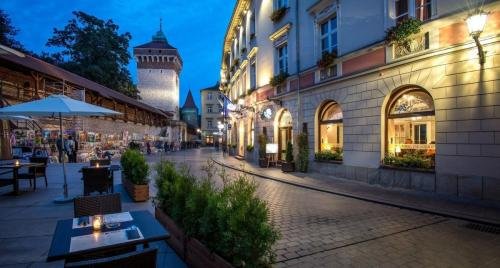
One of Europe's largest market squares, Wrocław's Rynek is a bustling hub surrounded by colorful townhouses and the Gothic Old Town Hall. It’s a lively area filled with cafes, restaurants, and shops, making it a perfect starting point for exploring the city.

Wroclaw Cathedral
Gothic Masterpiece
Located on Ostrów Tumski, Wrocław Cathedral is a stunning example of Gothic architecture. Climb the tower for panoramic views of the city and the Oder River. The cathedral’s interior is equally impressive with its intricate details and historical significance.

Centennial Hall
UNESCO Heritage
This architectural marvel, built in 1913, is a UNESCO World Heritage site. It hosts concerts, exhibitions, and events. The nearby Japanese Garden in Szczytnicki Park offers a serene escape with its traditional landscaping and koi ponds.
Panorama of Racławice
Historic Panorama
This monumental cycloramic painting depicts the Battle of Racławice. It provides an immersive historical experience, offering insights into an important event in Polish history.


Wrocław Zoo
Family Favorite
Established in 1865, Wroclaw Zoo is Poland’s oldest zoo. The Afrykarium, an oceanarium with African aquatic life, is a major highlight. It’s a great place for a family day out, featuring a diverse array of animals and exhibits.

Hydropolis
Water Science
An interactive center dedicated to water, Hydropolis explores the role of water in our world through engaging exhibits and multimedia displays. It’s both educational and entertaining, perfect for visitors of all ages.
University of Wrocław
Academic Jewel
Founded in 1702, this university is renowned for its Baroque architecture. The Aula Leopoldina, a ceremonial hall, is particularly notable for its ornate frescoes and sculptures.


Wrocław Dwarfs
Whimsical Hunt
Scattered throughout the city, these small bronze statues add a playful element to your visit. Originally a symbol of anti-communist resistance, they are now a beloved part of Wroclaw’s charm. Finding them all can be a fun and engaging activity.

Oder River Cruises
Scenic Views
Enjoy a relaxing boat tour on the Oder River, offering unique views of Wrocław’s skyline, historic buildings, and picturesque bridges. It’s a wonderful way to see the city from a different perspective.
Botanical Garden
Green Oasis
Located near the cathedral, the Botanical Garden is a peaceful retreat with a wide variety of plant species. It’s a perfect spot for a leisurely stroll, especially during the blooming seasons.


Japanese Garden
Urban Nature
One of Wrocław’s oldest and largest parks, Szczytnicki Park includes the beautiful Japanese Garden. It’s an ideal place for a relaxing walk or a picnic.

National Museum
Cultural Treasure
This museum houses extensive collections of Polish art, from medieval to contemporary works. It’s a must-visit for art enthusiasts and those interested in Polish cultural heritage.

Sky Tower
City Views
As the tallest building in Wrocław, the Sky Tower offers spectacular views from its observation deck. It also features shopping and dining options.

Wrocław Opera House
Artistic Hub
Renowned for its architecture and acoustics, the Wrocław Opera House hosts a variety of performances, from classic operas to modern productions. It’s a cultural highlight of the city.
Kolejkowo
Miniature World
Located in the Świebodzki railway station, Kolejkowo is a fascinating miniature model of Lower Silesia, featuring detailed recreations of cities, towns, and landscapes.


Grunwald Bridge
Iconic Structure
One of the longest bridges in Wrocław, Grunwald Bridge offers great views of the Oder River and is an important connection in the city’s infrastructure.
Ostrów Tumski
Historic Core
The oldest part of Wrocław, Ostrów Tumski, is a picturesque area with cobbled streets, historic buildings, and the stunning Wroclaw Cathedral.


Wrocław Fountain
Light & Music Show
Situated near the Centennial Hall, this multimedia fountain features impressive water, light, and music shows, especially popular during the summer evenings.
Tumski Bridge
Lovers’ Bridge
Known as the "Love Bridge," it’s adorned with padlocks left by couples. The bridge connects Ostrów Tumski with the rest of the city and offers beautiful views of the river.

Plac Solny
Salt Square
djacent to the Market Square, Plac Solny is known for its flower market. It’s a vibrant spot with cafes and historical buildings.
Hala Targowa
Historic Market
This indoor market is a bustling place to experience local life. It offers a wide range of fresh produce, meats, cheeses, and other regional specialties, making it a food lover’s paradise.

Top things to see and do in Wrocław
Check out our recommendation to top things not to miss when visiting Wrocław
Top museums in Wrocław
Check out our recommendations
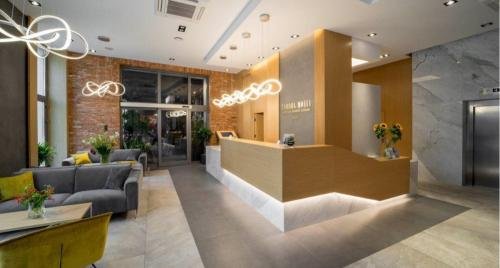
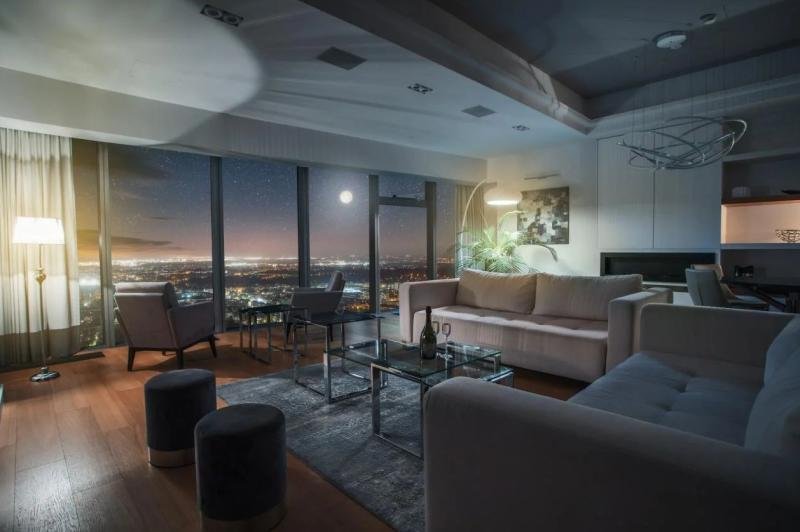
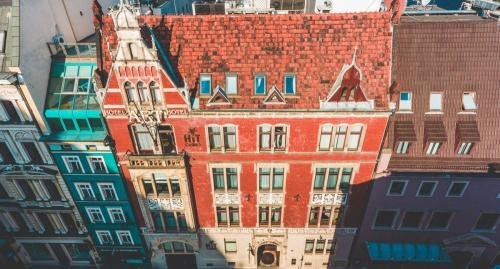
Top hotels in Wrocław
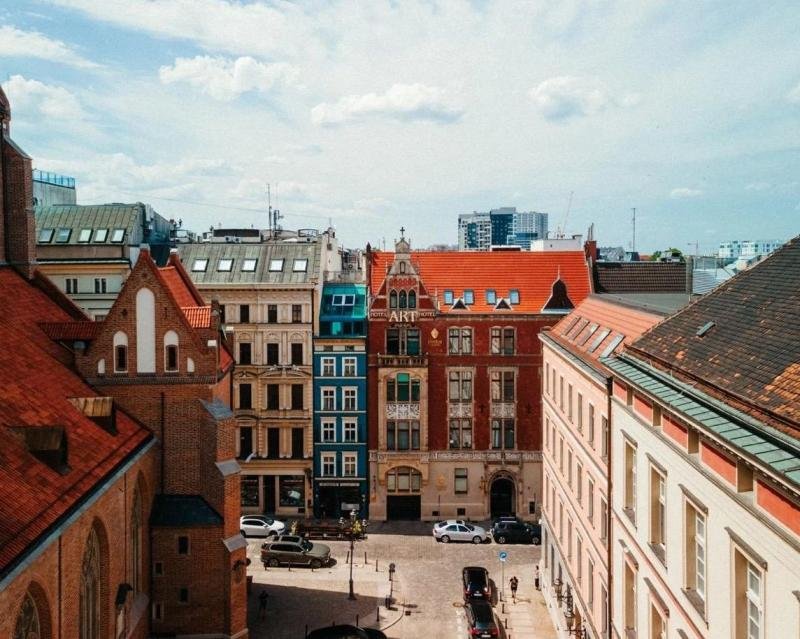
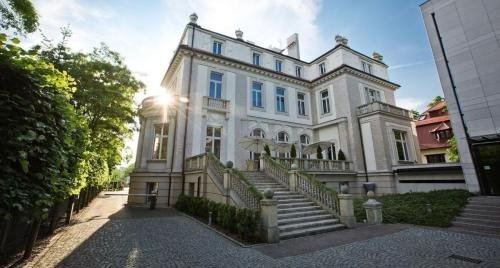
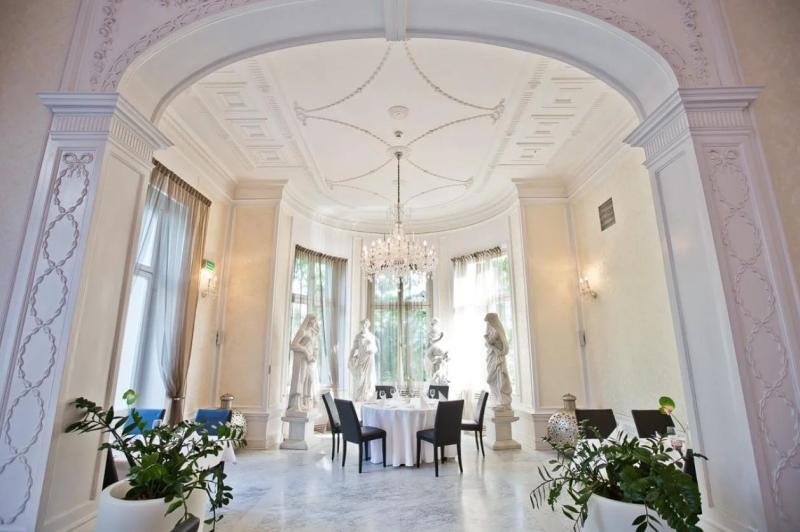
Check out our recommendations below





Roof-top bars in Wrocław
Check out our recommendations
Jazz clubs in Wrocław
Check out our recommendatios below
Night clubs of Wrocław
Check out our recommendations
Top restaurants in Wrocław
Check out our recommendations




Practical information
Some practical information to Wrocław
Bus line 106:
- Schedule: Bus 106 runs every 15 minutes during the day and connects Wrocław Airport with the city centre and Wrocław Główny railway station / central bus station area.
- Duration: The journey to the city centre or Wrocław Główny usually takes around 40–50 minutes, depending on traffic.
- Cost: A regular single ticket costs approximately 4.60 PLN. Timed tickets and longer-validity tickets are also available. Tickets can be purchased electronically on board and from ticket machines within the public transport network.
- Details: Bus 106 is the main public transport connection between the airport and the city. It stops at key central points such as Dworzec Świebodzki, pl. Orląt Lwowskich and Renoma, making it the most convenient option for most visitors travelling to central Wrocław.
Night bus 206:
- Schedule: Night bus 206 serves the airport during night hours and connects it with the central part of Wrocław, including the area around the central bus station.
- Details: This bus is a practical option for passengers arriving or departing outside regular daytime bus hours.
Bus line 129:
- Schedule: Bus 129 also serves Wrocław Airport and connects it with other parts of the city.
- Details: This line is usually less convenient for visitors heading directly to the city centre or Wrocław Główny, but it can be useful depending on your final destination.
By train:
- Connection: There is no direct train station at Wrocław Airport, so travelling by train requires a transfer between the airport and Wrocław Główny, the city’s main railway station.
- Main route: For most travellers, the easiest option is to travel via Wrocław Główny and continue to or from the airport by bus 106. During the night, bus 206 serves the airport instead.
- Duration: The transfer between Wrocław Airport and Wrocław Główny by bus usually takes around 40–50 minutes, depending on traffic.
- Details: Wrocław Główny is the city’s main railway station and the main hub for domestic and international train connections. If you are travelling from the airport by train, it is best to allow extra time for the transfer, as the airport is connected to the station by road rather than by rail.
By taxi:
- Availability: Taxis are one of the easiest and most comfortable ways to travel between Wrocław Airport and the city, especially if you have luggage, arrive late, or prefer a direct door-to-door ride. Taxi ranks are located near the terminal entrances.
- Cost: The approximate daytime fare to Wrocław city centre is around 75–85 PLN. A taxi to Wrocław Główny railway station usually costs around 80–90 PLN. Final prices may vary depending on traffic, route, and time of day, while night fares may be slightly higher.
- Operators: Taxi services at the airport include operators such as Partner Taxi and Taxi Plus. If you need a child seat or another special arrangement, it is best to book in advance.
- Details: A taxi ride between the airport and central Wrocław is usually faster than the bus and is a convenient option for travellers going directly to a hotel, apartment, or railway station without changing transport. It is best to use the official taxi rank outside the terminal and check the approximate fare before starting your journey.
By private transfer:
- Availability: A private transfer is a convenient door-to-door option for travelling between Wrocław Airport and your hotel, apartment, or another address in the city. It is usually booked in advance, with the price confirmed before travel.
- Cost: Prices vary depending on the destination, date, and vehicle type. Example fares for a sedan transfer from the airport start from around €22, with fixed pricing usually agreed in advance.
- Services: Private transfer services commonly include meet-and-greet in the arrivals hall, flight monitoring, and direct transport to your destination. This is especially practical if you arrive late, travel with a lot of luggage, or want the reassurance of a pre-arranged pickup.
- Details: Private transfers are a good option for travellers who want to avoid waiting for public transport or taxi queues. It is best to book in advance, check whether the quoted price includes waiting time, luggage, and child seats, and confirm exactly where the driver will meet you.
By car:
- Location: Wrocław Airport is located in the south-west part of the city, around 10 km from the centre. The drive between the airport and central Wrocław usually takes about 30 minutes, depending on traffic.
- Road access: The airport is easily accessible from the A4 and A8 motorways as well as the S3, S5 and S8 express roads, making it a practical option both for the city and for travellers coming from other parts of the region.
- Parking: Official on-site car parks are located next to the terminal. Booking online in advance can help secure a space and may offer better prices than paying on arrival.
- Details: Travelling by car is convenient if you have a lot of luggage, are heading to an area not well connected by public transport, or plan to continue your journey beyond Wrocław. For short stops, designated drop-off and pick-up parking areas are available near the terminal.
By Uber / Bolt:
- Availability: Uber and Bolt both operate in Wrocław and can be used for trips to and from Wrocław Airport. Airport pickup is available, and the exact pickup point is shown in the app.
- Cost: App-based rides usually cost around 49–53 PLN to central Wrocław or Wrocław Główny, depending on demand, traffic, and the exact destination. The price is shown in the app before you confirm the ride.
- Duration: The journey to central Wrocław or the main railway station usually takes around 24–25 minutes, depending on traffic conditions.
- Details: Uber and Bolt are a convenient alternative to a regular taxi, especially if you want a direct ride with upfront pricing. After landing, open the app, confirm the pickup point, and follow the in-app directions carefully, as airport pickup zones may vary. It is also worth comparing both apps before booking, as prices can rise during busy periods.
Wrocław offers an efficient and well-developed public transportation system based on buses and trams, making it easy to move around the city and reach both central districts and outer neighbourhoods. Public transport operates throughout the day, and night services are also available for late-evening and overnight travel.
Bus Services:
- Coverage: Wrocław has an extensive bus network with over 60 day bus lines and more than 10 night bus lines, connecting the city centre with residential districts and other parts of the city.
- Frequency: Day buses run regularly throughout the day. The first daily services start after 4:00 AM or around 5:00 AM, and the last daytime services usually finish around midnight.
- Night Services: Night buses operate roughly between 11:30 PM and 5:00 AM, usually every 30 minutes, offering connections across the city after regular daytime services stop.
Tram Services:
- Coverage: The tram network is one of the most practical ways to travel around Wrocław. The city has over 20 tram lines serving the centre, major residential districts, and many important points across the city.
- Frequency: Trams run frequently during the day and are widely used for everyday travel within the city. They are often the fastest way to move between central areas.
- Night Services: Regular tram services generally operate until around midnight, while night transport is mainly provided by buses.
Ticketing System:
- Types of Tickets:
- Single and Time-Based Tickets: Wrocław uses a ticket system that includes single tickets and time tickets for flexible travel on buses and trams.
- Season Tickets: Longer-validity and fixed-term tickets are also available for visitors staying longer or using public transport more frequently.
- Urban Card: Regular users can also use the reusable URBANCARD system.
- Single and Time-Based Tickets: Wrocław uses a ticket system that includes single tickets and time tickets for flexible travel on buses and trams.
- Where to Buy Tickets:
- Ticket Machines: Tickets can be purchased from ticket machines at many tram and bus stops.
- Onboard Purchase: One-time and time tickets can also be purchased on buses and trams using onboard electronic systems, usually by payment card.
- Mobile App: Tickets can also be bought via the UC Mobile application.
- Points of Sale: Tickets are also available at selected kiosks and sales points across the city.
- Ticket Machines: Tickets can be purchased from ticket machines at many tram and bus stops.
- Validation: Tickets bought before boarding must be validated when entering the vehicle. Electronic and app-based tickets follow the system instructions at the time of purchase.
Train Services:
- Regional Rail: Wrocław is an important rail hub with regional train connections operated by Koleje Dolnośląskie and POLREGIO, linking the city with many destinations across Lower Silesia and other regions.
- Local Connections: Regional trains can also be useful for travel within the wider Wrocław area and nearby towns.
Ticket Purchase:
- Train tickets can be bought online, through railway websites and apps, as well as at railway stations and ticket machines, depending on the operator and route.
Useful Links:
- Wrocław Public Transport Information: Wrocław public transport portal.
- MPK Wrocław: Information on buses, trams and timetables.
- URBANCARD: Information about reusable city transport cards and services.
- Koleje Dolnośląskie: Regional train connections in Lower Silesia.
- POLREGIO: Regional rail ticket information and online ticket purchase.
Public Transportation Discounts for Seniors:
- Eligibility: Seniors aged 65 and above can travel free of charge on Wrocław public transport, including buses and trams.
- How to Access: It is best to carry a valid photo ID or passport showing your date of birth in case of a ticket inspection.
Discounts for Museums and Attractions:
- Many museums and attractions in Wrocław offer reduced or special senior tickets, but the exact age threshold depends on the venue. In practice, discounts may begin at 60+, while some attractions offer special admission for visitors aged 75+.
- Ostrów Tumski and the Cathedral: Reduced tickets are available for seniors aged 60 and above.
- National Museum in Wrocław: Special ticket options are available for seniors over 75, and there are also benefits for holders of the Wrocław Senior Card.
- Wrocław Zoo and Afrykarium: Visitors aged over 75 are entitled to a free control coupon collected at the ticket office or customer service point on the day of the visit.
- Ostrów Tumski and the Cathedral: Reduced tickets are available for seniors aged 60 and above.
Planning Your Visit:
- Wrocław does not have one single tourist pass combining museums and public transport in the same way as some other major cities. A practical approach is to check each museum or attraction individually for current senior rates before visiting.
By using Wrocław’s free public transport for seniors and checking attraction-specific discounts in advance, older visitors can make sightseeing in the city both easier and more affordable.
Wrocław offers a variety of attractions and museums that provide discounts for senior citizens. Here is a list with some suggestions:




Wrocław is a welcoming destination for visitors with disabilities, with an increasingly accessible urban environment, modern public transport, and a growing number of attractions adapted for different needs. The city offers a combination of historic sights, museums, parks, and cultural venues that can be enjoyed with good planning and the right information in advance.
Wrocław’s accessibility features make it easier to explore the city comfortably, whether you are travelling with reduced mobility, a visual impairment, or other access needs. Public transport, selected hotels, and many major attractions offer practical solutions that can help make your stay smoother and more enjoyable.
Practical Tips for Visiting Wrocław as a Traveler with Disabilities
Planning a trip to Wrocław with disabilities can be much easier with some preparation. Below are useful tips to help you enjoy the city more comfortably.
1. Research and Planning
1.1. Pre-Trip Research
- Attractions: Many of Wrocław’s major attractions offer accessibility features such as ramps, lifts, accessible toilets, tactile materials, audiodescription, or barrier-free entrances. Good examples include Centennial Hall, Hydropolis, the Pavilion of the Four Domes, Wrocław Zoo and Afrykarium, and Pan Tadeusz Museum.
- Accommodations: Many hotels in Wrocław offer accessible rooms and adapted common areas. When booking, look for features such as step-free access, lifts, roll-in showers, grab bars, and wider doorways.
- Transportation: Wrocław’s public transport system is generally very accessible, with a large majority of buses and trams being low-floor and equipped with wheelchair spaces as well as voice and visual stop announcements.
1.2. Booking in Advance
- Accommodation: Reserve accessible rooms early, especially during busy travel periods, and confirm the exact room features directly with the hotel.
- Transportation: If you need a wheelchair-accessible taxi or a private transfer, it is best to arrange it in advance and clearly explain your requirements when booking.
1.3. Accessibility Tools
- Before travelling, it is helpful to use route-planning apps and city tools that allow you to check low-floor public transport, accessible buildings, and barrier-free facilities in advance.
2. Navigating the City
2.1. Public Transportation
- Features: Wrocław’s buses and trams are a practical way to get around the city. Most vehicles are low-floor and adapted for passengers with disabilities. Common features include ramps, designated wheelchair spaces, voice and visual announcements, and in some vehicles Braille-marked stop buttons.
- Stops and Interchanges: Many major stops and interchanges have raised curbs, non-slip surfaces, electronic passenger information, and facilities for blind and visually impaired travellers. On major routes, lifts and ramps are also available.
- Planning Routes: Journey-planning tools can help you identify low-floor vehicles before travelling, which is especially useful if you want to avoid unnecessary barriers.
2.2. Taxis and Transfers
- Services: Standard taxis and ride-hailing services are widely available in Wrocław, but adapted transport should be arranged in advance whenever possible. For the smoothest experience, specify wheelchair or mobility needs clearly at the time of booking.
3. Accommodations
3.1. Hotel Selection
- Accessibility Features: Many higher-standard and chain hotels in Wrocław provide accessible rooms and lifts, as well as adapted public areas such as reception spaces and restaurants. Even so, it is always worth confirming the exact facilities before arrival.
- Location: Choosing accommodation in or near the city centre can make sightseeing easier, especially if you want to stay close to the Market Square, Ostrów Tumski, museums, and tram connections.
3.2. Communication
- Special Requests: Let the hotel know in advance about any special needs, including shower access, lift access, step-free entry, or extra space for mobility equipment.
4. Dining and Entertainment
4.1. Restaurant Accessibility
- Accessible Options: Many restaurants and cafés in central Wrocław are easier to access than in older parts of the city, but accessibility varies from place to place. It is a good idea to choose venues with step-free entrances and accessible toilets whenever possible.
- Reservation: If accessibility is important for your visit, reserve in advance and confirm the entrance conditions, toilet access, and available seating space.
4.2. Cultural and Recreational Activities
- Accessible Attractions: Several cultural institutions in Wrocław offer good accessibility. Centennial Hall has no major architectural barriers and includes lifts, accessible toilets, and designated seating. The Pavilion of the Four Domes offers a barrier-free entrance, lift access, and tactile materials. Hydropolis offers lifts, ramps, adapted restrooms, and sensory educational materials. Wrocław Zoo and Afrykarium provide access to many pavilions via ramps, lifts, and platforms, and also offer wheelchair rental. Pan Tadeusz Museum provides audiodescription, Braille materials, tactile elements, and a barrier-free interior.
5. Health and Safety
5.1. Emergency Contacts
- Emergency Number: The general emergency number in Poland is 112.
- Medical Support: Before your trip, it is worth checking the location of nearby pharmacies, clinics, or hospitals, especially if you rely on medication or specialised assistance.
5.2. Mobility Equipment and Support
- Equipment: Some attractions and venues provide on-site support such as wheelchair access equipment or adapted visitor services. If you need regular mobility aids during your stay, it is best to arrange them before arrival through your accommodation or a local provider.
6. Language and Communication
6.1. Learning Key Phrases
- Basic Polish: A few useful phrases can make travel easier. For example, “Proszę o pomoc” means “Please help”.
- Translation Apps: Translation apps can be useful for day-to-day communication at hotels, restaurants, stations, and attractions.
6.2. Local Assistance
- City Support: Wrocław has systems and city services designed to improve accessibility, including an accessibility map and support solutions in public institutions. In tourist areas, it is usually possible to get assistance in English as well.
With the right planning, Wrocław can be an enjoyable and accessible city break for visitors with disabilities. Its modern transport, accessible attractions, and improving urban infrastructure make it easier to discover the city’s history, culture, and atmosphere in comfort.